
Blacksmithing Reference Library
Books, DVDs & Learning Resources Worth Owning
Blacksmithing is a practical, hands-on craft — but good reference material accelerates learning in a way trial and error alone never can.
The right book or instructional resource can:
explain why something works (or doesn’t)
save months of frustration
prevent bad habits forming early
deepen understanding of tools, materials, and technique
This page is a living reference library of books, DVDs, and learning resources that are genuinely useful — not hype-driven or trend-based.
These are resources worth returning to again and again.
How to Use This Page
You don’t need everything listed here.
Some resources are best for:
complete beginners
visual learners
people interested in tools
those who want deeper theory
Each section explains who a resource is best for, so you can choose deliberately.
Core Blacksmithing Books (Foundational Knowledge)
The Modern Blacksmith – Alexander G. Weygers
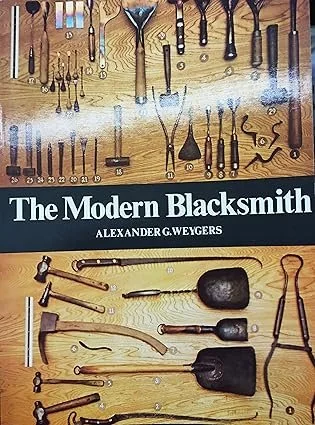
This book is often recommended because it teaches principles, not just projects.
It covers:
basic forge setup
tool making
working with limited equipment
understanding materials
Best for readers who like thinking through why something works, rather than following step-by-step instructions.
The Blacksmith’s Craft – Charles McRaven
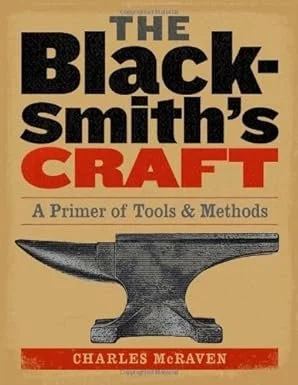
This is a very approachable book that focuses on:
simple projects
traditional techniques
working efficiently
It’s especially good for beginners who want to make usable objects early without feeling overwhelmed.
The Art of Blacksmithing – Alex W. Bealer
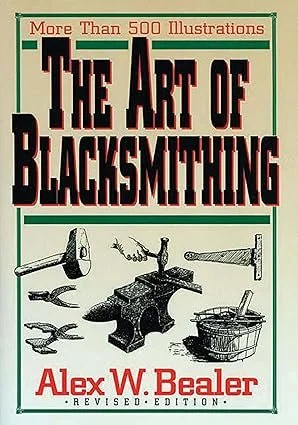
This book blends:
historical context
practical instruction
craft philosophy
It’s less about rushing to results and more about understanding the craft as a whole. A good slower read that grows with you.
Bladesmithing & Heat Treatment References
The Complete Bladesmith – Jim Hrisoulas
“This is a personal favourite of mine, I constantly refer back to this when i get stuck.”
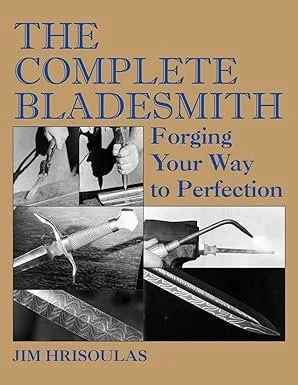
A long-standing reference in bladesmithing circles.
It covers:
forging blades
grinding
heat treatment
finishing
Best suited for readers who already understand basic forging and want to move into edged tools.
Visual Learning: DVDs & Video Instruction
Traditional Blacksmithing DVDs
DVDs remain valuable because:
they show hammer rhythm
body positioning becomes clear
heat colour and timing are visible
They’re especially useful if:
you learn visually
you struggle to translate text into motion
Many experienced smiths still keep a small DVD library for reference.
When Video Works Better Than Books
Video instruction shines when learning:
hammer control
drawing techniques
forge welding
heat timing
Books explain what to do. Video shows how it actually looks.
Tool Making & Shop Skills
Some of the most valuable blacksmithing books focus on making your own tools.
These resources teach:
tong making
punches and chisels
hardy tools
shop efficiency
Learning to make tools:
improves hammer control
deepens understanding of steel
saves money long-term
Tool-making books are often revisited repeatedly as skills grow.
Project-Focused Learning
Project-based books are best when:
motivation is low
you want quick wins
you need structure
Good project books:
scale difficulty sensibly
teach transferable techniques
avoid gimmicks
These are especially useful early on, when finishing projects builds confidence.
Online Learning (With Caution)
Online resources can be useful, but quality varies wildly.
Be cautious of:
“one trick” videos
extreme methods
unsafe practices
oversimplified heat treatment advice
Use online content to supplement, not replace, solid reference material.
How to Build Your Own Reference Library
A balanced beginner library often includes:
one foundational blacksmithing book
one project-based resource
one material or steel reference
one visual learning resource
That combination supports both understanding and practice.
Why Books Still Matter in a Hands-On Craft
Books slow you down — and that’s a good thing.
They encourage:
reflection
intentional practice
deeper understanding
Many forging mistakes happen because people move too fast without understanding the material. Good reference material acts as a brake when needed.
Final Thoughts
Tools wear out. Projects fail.
Good reference material stays useful for decades.
This page exists to point you toward resources that respect the craft, explain the why as well as the how, and support long-term learning rather than shortcuts.
